NOTHING ABOUT MEMORY IS NEUTRAL
On 12–13 September, 11am-10pm,
Transgressive Memory Festival
takes over silent green Kulturquartier
Entry is free!
With contributions by CTM Festival, transmediale and VideoClub.
The festival is free and open to all, with free registration required only for workshops and some performances.
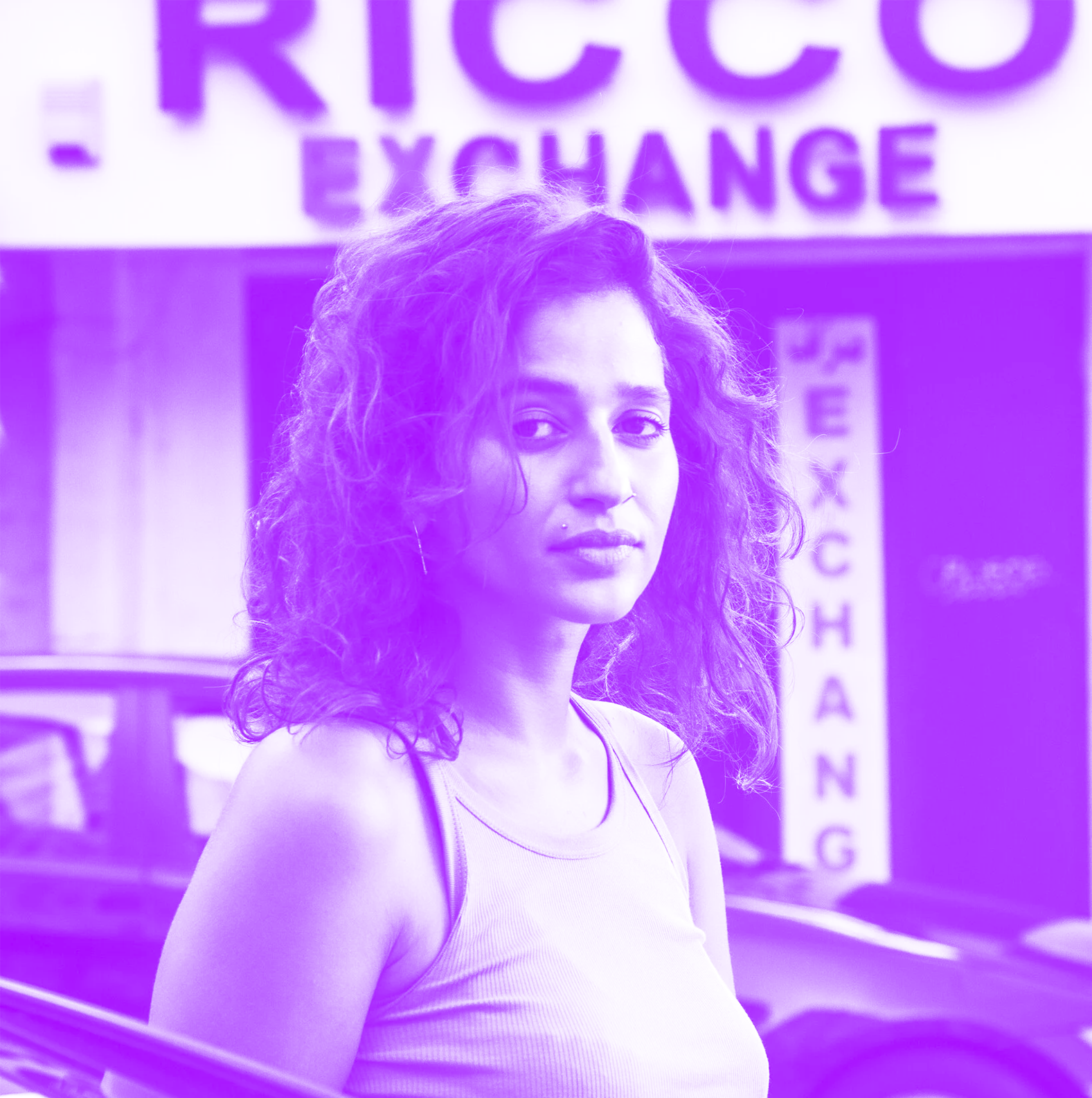
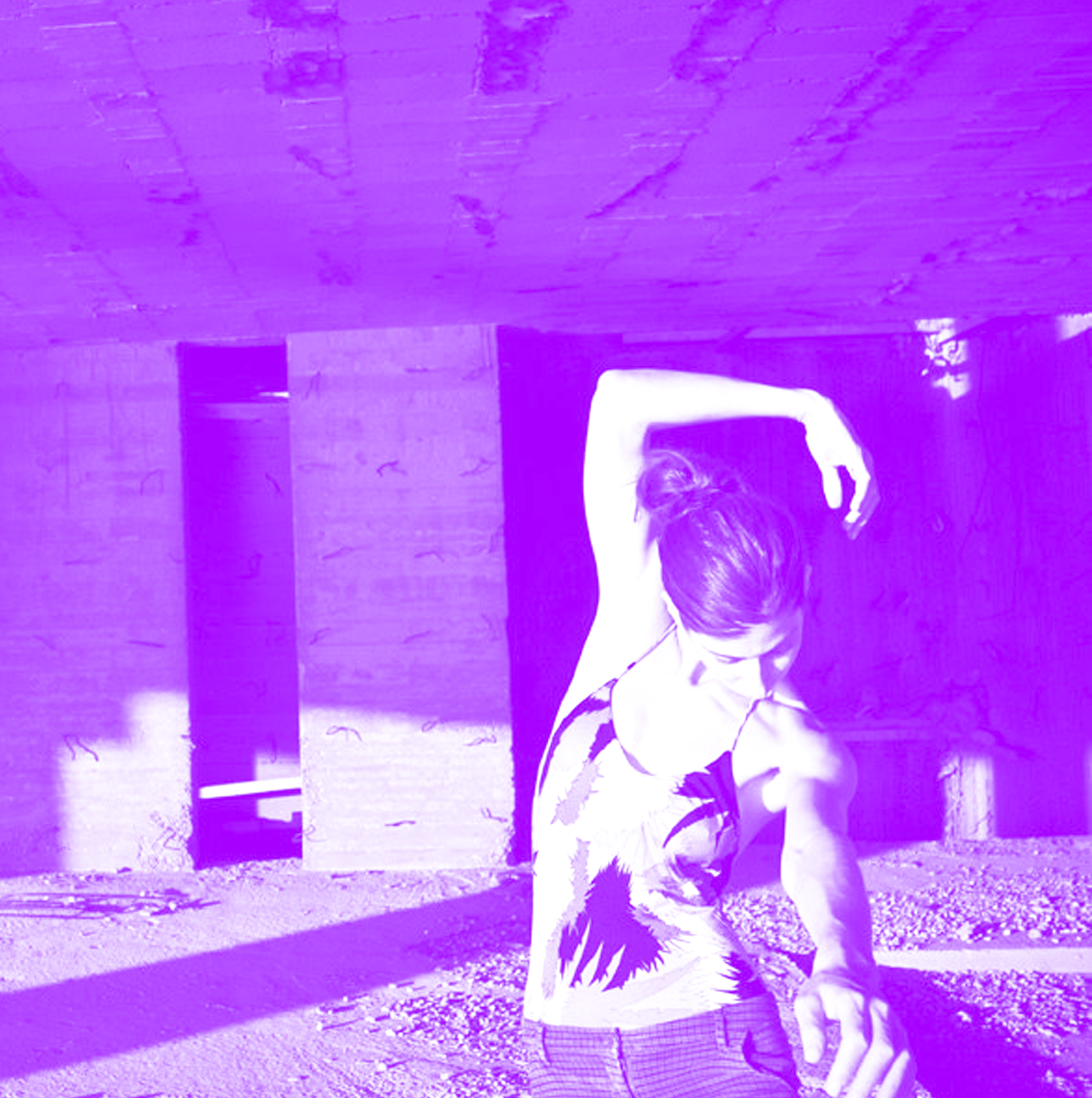
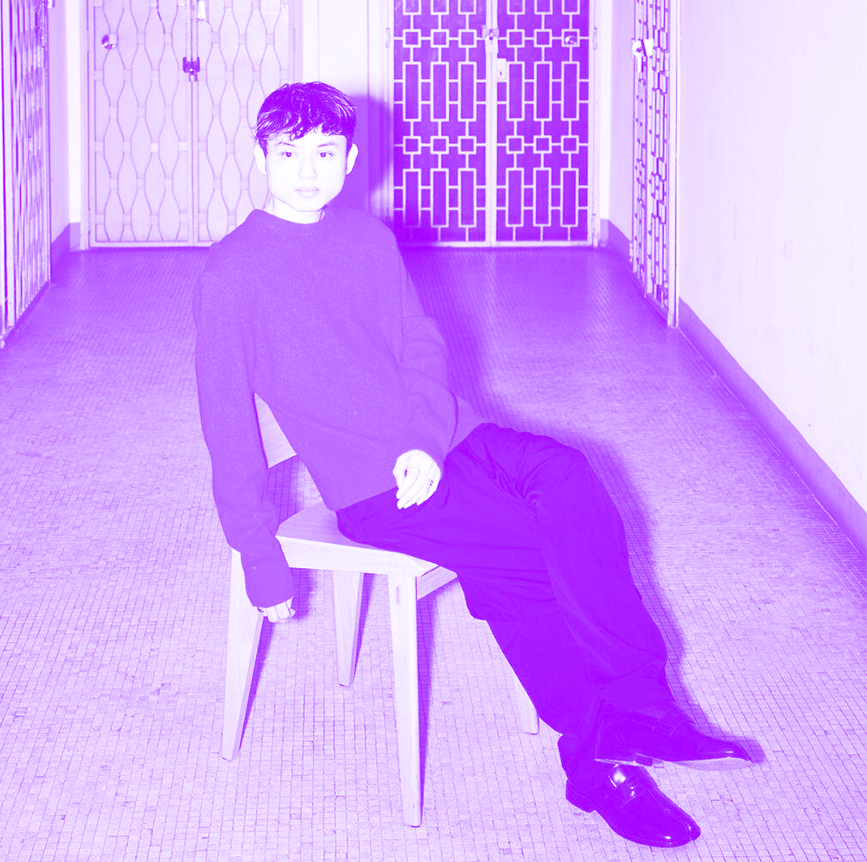
With art works, performances and talks by Bashir Bashir, caner teker, Gabriel Massan, Göksu Kunak, Forensic Architecture, allapopp (Tatar:Kyzlar), Dan Hicks, Giselle Beiguelman, Hussein Shikha, Royce Ng and many more.
-
Transgressive Memory Festival - curated by Anna Norpoth, Bianca Itte and Felix Fuhg
How and through which lenses do we remember in the age of algorithms, artificial intelligence, and digital media? Who decides which stories are preserved, forgotten, or rewritten?
And what happens when media, performance, and sound artists, rather than institutions, negotiate cultural heritage and histories to critically investigate our present and form alternative visions for our future?Transgressive Memory is a new festival, which explores how contemporary art and critical thinking are transforming the ways we as societies relate ourselves to our multifaceted pasts.
Taking place on 12–13 September 2026 at silent green Kulturquartier in Berlin, Transgressive Memory Festival invites audiences to take part in art and critical research, exploring how the past is haunting our present.Bringing together international artists, researchers, performers and cultural practitioners, Transgressive Memory Festival examines memory not as something fixed or complete, but as a living process, which we constantly negotiate. We give space to artistic works that move beyond biased categories separating documentary and fiction, the archive and the practice of speculation, physical and digital worlds. To us, to be transgressive means: to refuse inherited limits, to aim for a disruption of official histories, to cross disciplinary boundaries, and to reshape memory culture by listening to often unheard voices as well as using new technologies to investigate invisiblities and power relations.
Our curated programme challenges established forms of commemoration and memorialisation by focussing on artistic and critical contributions to memory culture and its socio-political environment. The works presented propose new ways of building relationships between histories, technologies and urgent questions of our contemporary, mediated global society shaped by new ways of seeing and hearing.
Transgressive Memory Festival is organised by eCommemoration, the programme for artistic and trangressive forms of (digital) memory-making initiated by Körber-Stiftung. With contributions by transmediale, CTM and VideoClub.
-
Mutational fields of encounter and the activation of relation
A transgressive memory culture emerges from contemporary cultural, artistic and digital practices that reject closure, linearity, and singular authorship. It reclaims the representation of the past not in its monumental form, but as mutational field of encounter, where memory is allowed to become speculative or embodied, and where the constraints of linear pasts without agency are disbanded.
Drawing on grammars of the digital, its glitches, loops, and new forms of archiving and networks, artists and cultural practitioners are reconfiguring the aesthetics of remembrance. Their works mobilise image, code, and sound as insurgent languages that break open linear temporalities and establish spaces of multiplicity as well as ever ghostly returns.
Here, commemoration is no longer about the preservation of fact, but about the activation of relation between bodies and databases, absence and algorithms, personal encounter and public witness as well as the collective and the individual.
These activations stretch beyond and between the past, present and future and/or geographical boundaries, calling for reflection on the situatedness of memory culture.
Our festival proposes transgressive memory as both method and principle.
We regard transgressive memory as a mode of remembrance that questions not only institutional authority and dissolves the border between documentary and fiction, but also acknowledges the complicity of technology in shaping collective consciousness. Without a mediatising transmitter, there is no memory.
Established forms and formats of commemoration, i.e. monuments, anniversaries, commemoration days, or classic exhibitions, continue to uphold traditions of historical awareness. Yet these frameworks often show limitations: in what they are able to reflect and who they speak of and to. They often merely reach audiences already convinced of their value or political signal, while particularly digital generations experience the past through digital images, data, and networks.
Transgressive memory culture responds to this disparity and acknowledges that contemporary art and digital aesthetics are able to translate historical knowledge into emotionally accessible, participatory, and globally connected forms, transgressing our rehearsed notion of temporality. The festival seeks to renew the public relevance of remembrance by moving from preservation to activation, (re-)calling for an understanding of history as a shared civic practice.
Rather than replacing established historiography, transgressive memory culture complements it. It translates complex, personal and hidden historical knowledge into experiential forms, which speak to audiences across generations and backgrounds. By collaborating with artists, historians, and technologists, transgressive memory culture aims to reinvigorate the social function of remembrance to make it participatory, polyphonic, and responsive to the challenges of our (digital) present.
The festival consists of four modules: exhibition, performances, film screenings and a discourse programme. These modules will be complemented by a music programme in cooperation with CTM Festival and a special exhibit by transmediale.
Transmitting
In the 21st century, memory has become both cultural obsession, as described in Jacques Derrida’s Archive Fever, and contested terrain. As images, data, and histories circulate across digital networks, the very foundations of remembrance, its media, its perceived authenticity, and its political agency, are shifting. With our exhibition, Transgressive Memory Festival explores how contemporary media art not only reconfigures collective memory, but also intervenes in power structures shaping memory cultures. Utilising video installations, immersive technologies, digital archives, and gaming environments, the participating artists transform remembrance into an act that resists closure and reclaims agency.
Rewiring
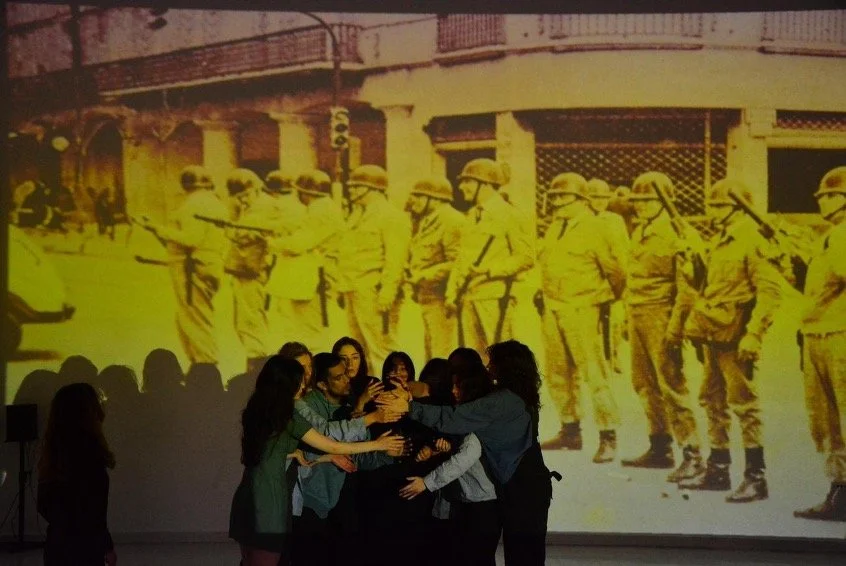
Our performance programme gathers around a shared urgency: to listen to the past not as something completed, but as something vibrating through the body, machines, and the collective nervous system. In performative spaces, memory becomes an unstable interface asking: what forms of belonging might emerge once the archives of (new and old) empires and discarded stories are rewired through sound, data, and embodied knowledge? History is not a sequence of past events, but a narrative act constructed by embodied human experience. Sharing Maurice Merleau-Ponty’s observation that “the body is our general medium for having a world”, we ask how world-making is transmitted to the representation and investigation of our past(s) in a body that is in constant transformation through new technologies.
Unlearning
If remembrance is a social practice that is created under specific conditions, these conditions can also be unlearned. Every culture of remembrance is built upon conventions that determine whose histories are preserved, which forms of evidence are recognised, and who is granted the authority to narrate the past. Our discourse programme approaches unlearning not as an act of forgetting, but as a critical practice that exposes inherited frameworks of our memory culture and opens them to revision. Bringing together artists, historians, activists, and cultural practitioners, it explores how absent histories return through new practices of visibility, how political power shapes the boundaries of public memory, and how artistic research unsettles established distinctions between evidence, speculation, and truth. Unlearning becomes a way of recognising remembrance itself as a cultural technique: one that is constantly negotiated, continually rewritten, and capable of imagining histories otherwise.
Programme
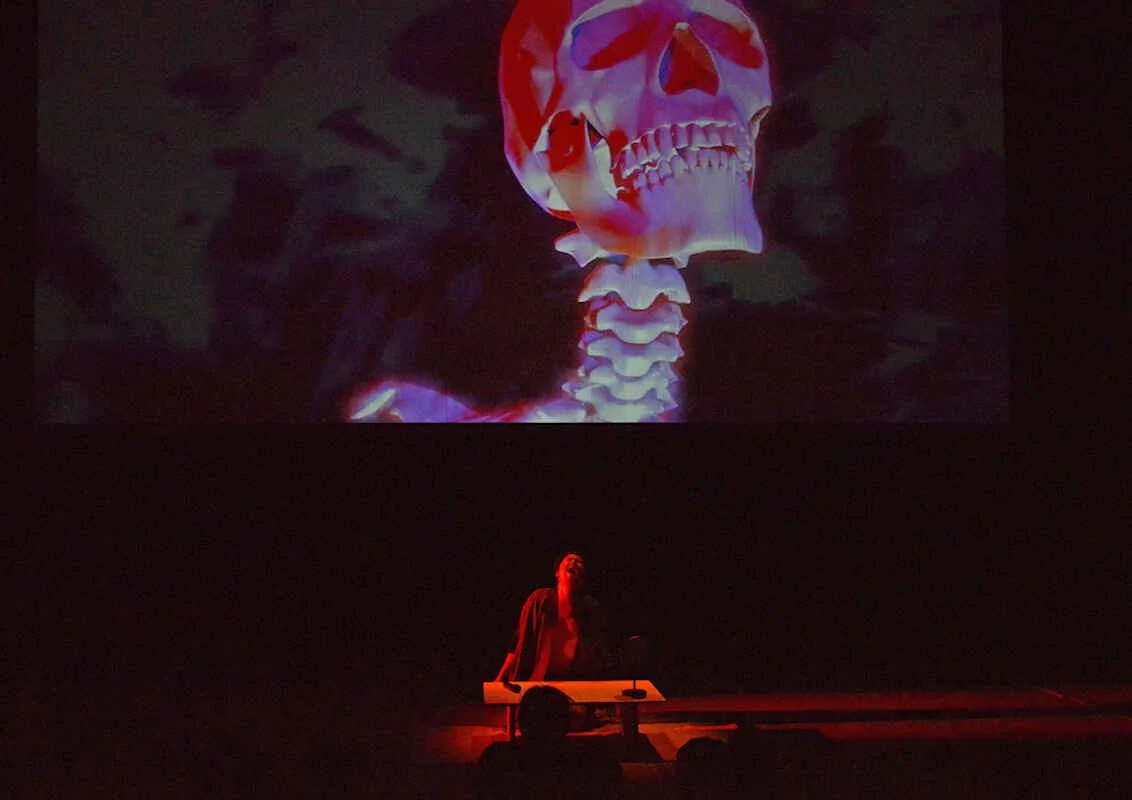
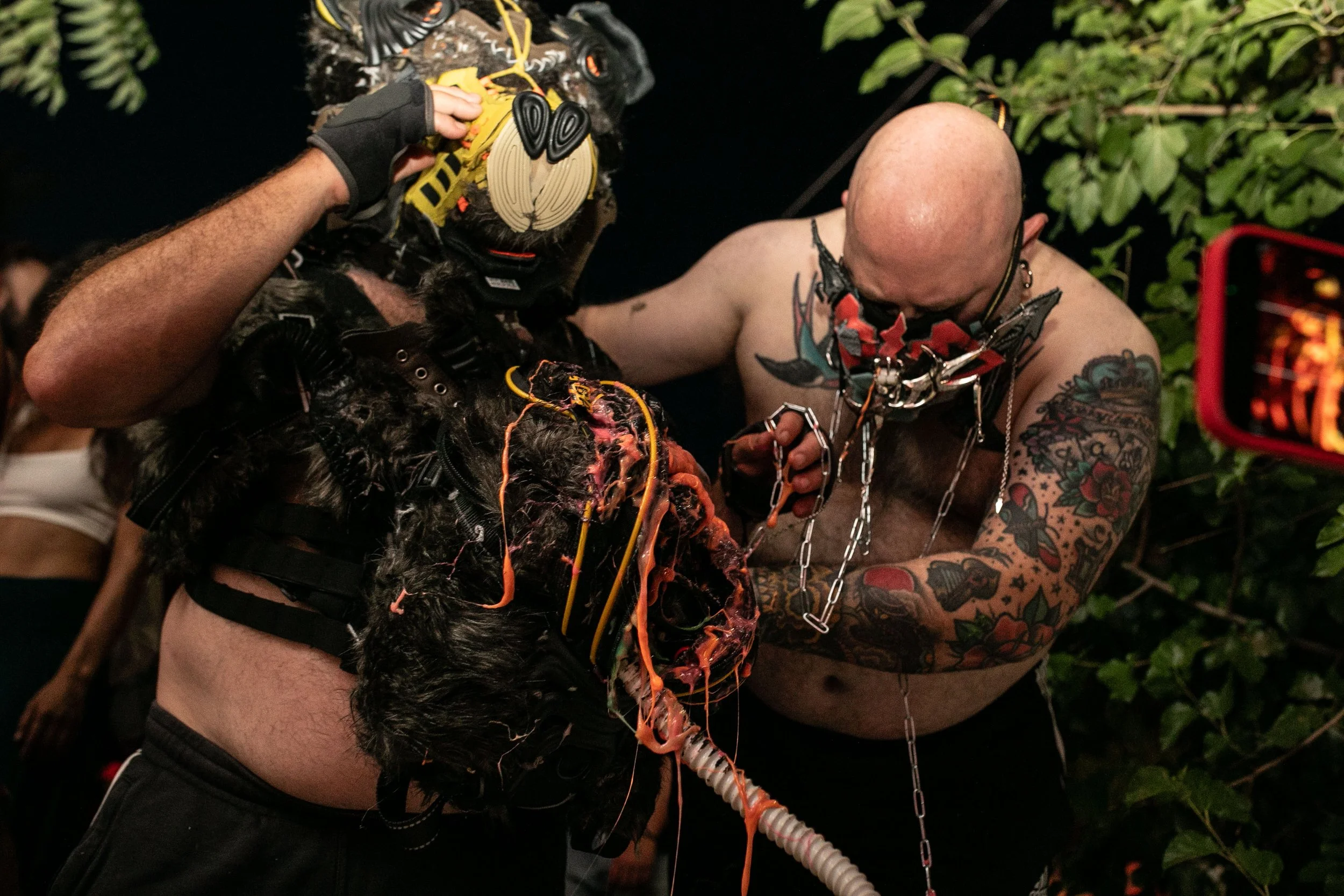
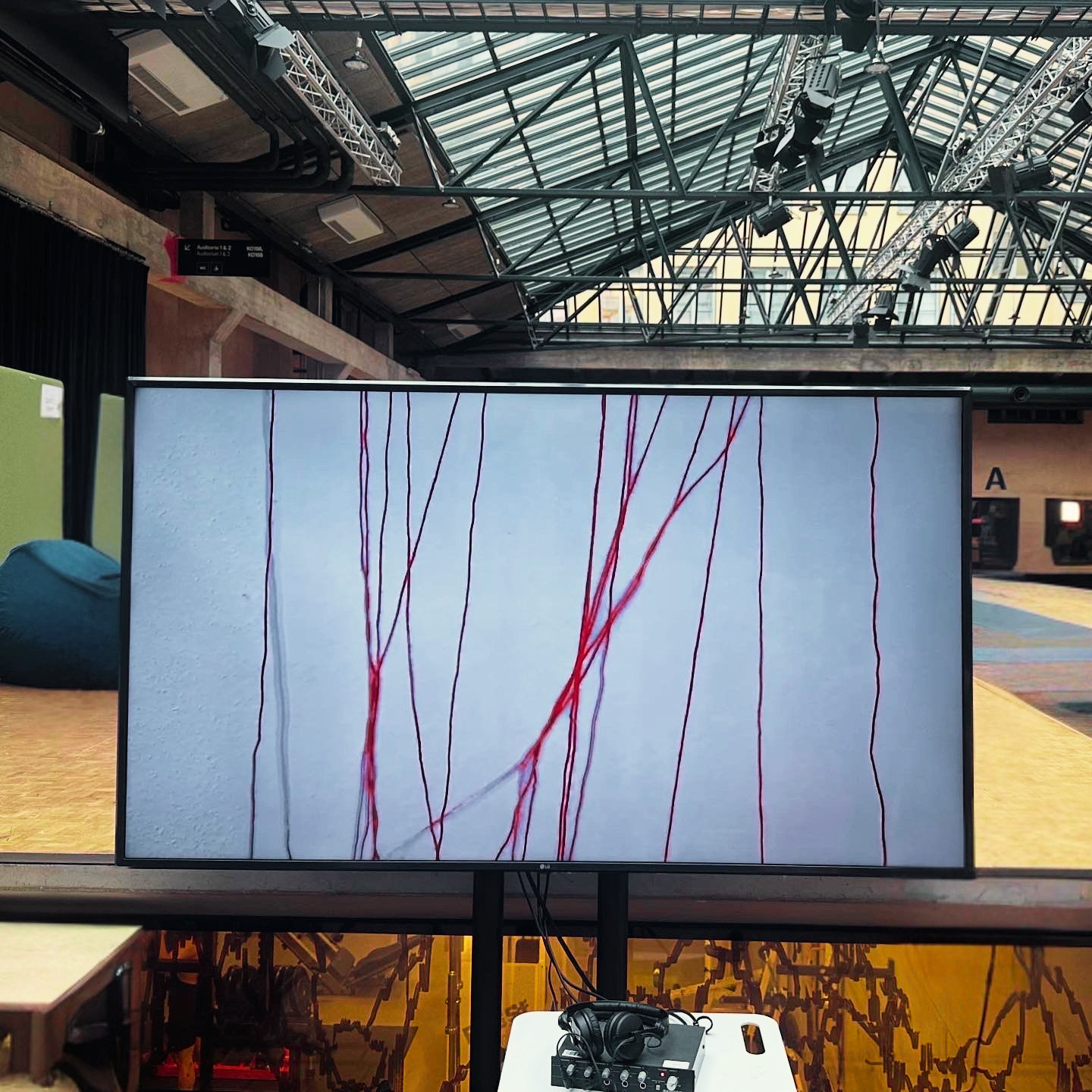
Map
Getting There
Transgressive Memory Festival takes place in Betonhalle, Kuppelhalle, Ateliers and transmediale studio at silent green Kulturquartier.
The venue is easily accessible by public transport. The nearest stations are: U-Bahn Station Wedding (U6), just a short walk away and S-Bahn Station Wedding, which is served by S41/42 and S15.

Embers of Narratives
Raisan Hameed
Pigment print on banner textile, each 91x500 cm, 2023–ongoing.
Transmission 1987
Qusay Awad
Multimedia installation, 2026. Duration: 15'.
Black Noise
Yara Richter
Sound piece, 2023. Duration: 1:08:09'.
Film screenings
Videoclub, All Technology Is Ghost and Ruin. Curated film programme. Duration: 30'.
Giselle Beiguelman & Lucas Bambozzi, Sunday at the Coup. Documentary “Ready media”, 2024. Duration: 23'.
Forensic Architecture, Living Death Camp: The Archaeology of Staro Sajmište. Filmic investigation.
Forensic Architecture, Executions and Mass Graves in Tantura, 23 May 1948. Filmic investigation.
They Who Saw Nothing but Beauty
Hussein Shikha
Series of Jacquard woven tapestries, since 2023 (ongoing).
Desert of the Unreal
Martyna Marciniak
transmediale studio, video and installation, 2026.
Everything Is Computer
Laura Cugusi, Federico Zurani and Machine Yearning aka Nada Zanhour
transmediale studio, game essay and interactive installation.
Angelegenheiten eines Steins
Felix Pacholleck
Multimedia work, 2025–ongoing.
It didn’t rain that day
Forschungsgruppe EGC-ROBOPSY, Margarete Jahrmann
AI role-playing game against fascism, ongoing.
Don’t Let Them Shoot the Kite
Göksu Kunak
Installation, 2025.
Performances
Tiara Roxanne, I cannot decolonize my body. Digital Attunement. Performance.
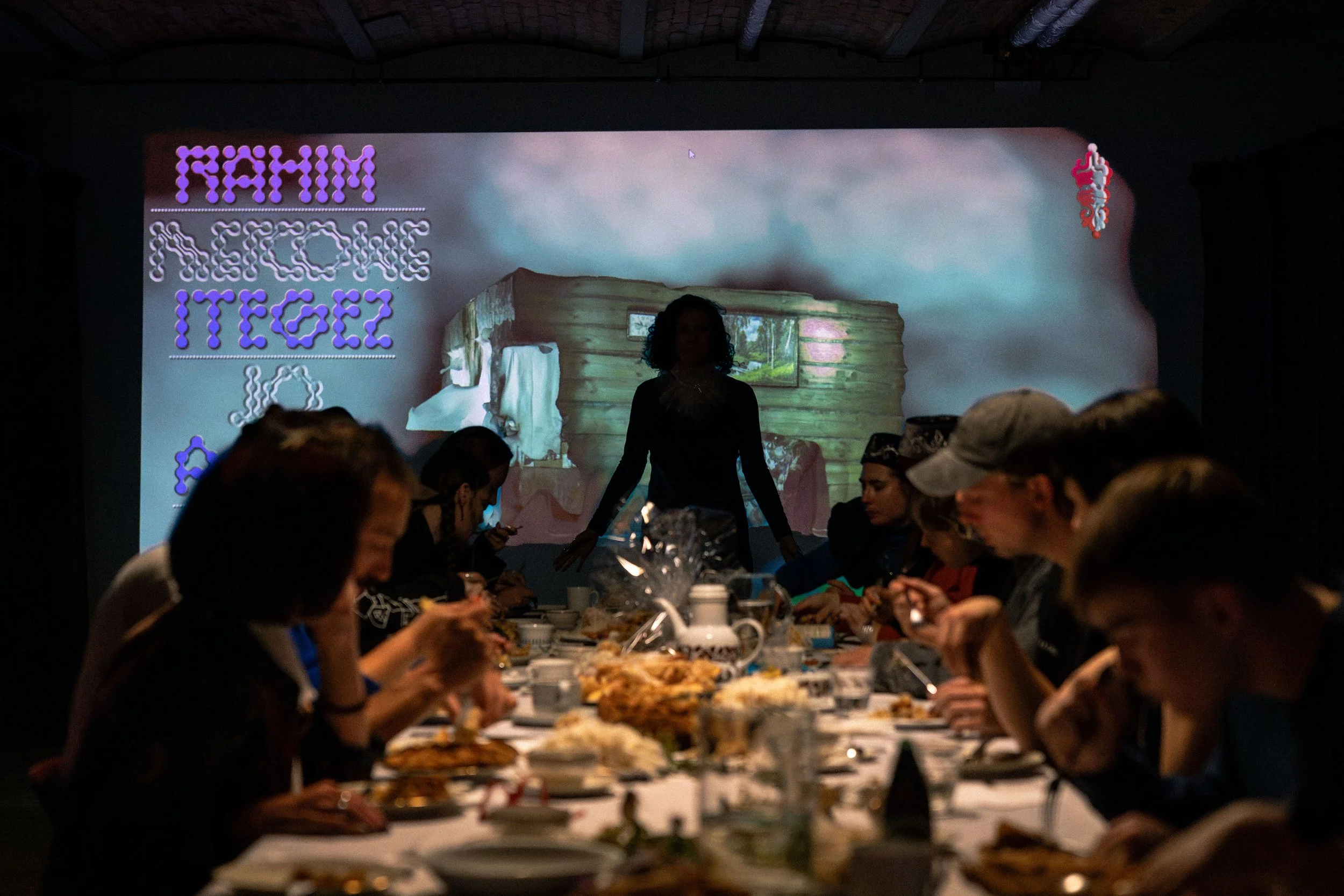
TATAR KYZ:LAR, Dinner-Ceremony AŞ. Ceremony and performance.
Archival Grid
Charlott Eifler & Clarissa Thieme
Part 1: Three-channel installation, 4K & SD to HD; Part 2: Three-channel installation, 8K to HD; Part 3: One-channel installation, 4K & SD to HD, 2022.
The Bear’s Den
Kostis Stafylakis
Installation and performance, 2024.
Third World: The Bottom Dimension
Gabriel Massan
Multi-part worldbuilding project developed in collaboration with Castiel Vitorino Brasileiro, Novíssimo Edgar, and LYZZA, 2021.
Mathuật – MMRBX
Maithu Bùi
Two-channel video installation, color, sound, salt, 2022. Duration: 22'.
The City of Willows
Chong Yan Chuah & Simon Soon
Videogame, commissioned by HKW, 2025. Saturday.
Laberinto
Ana María Millán
Videogame, 2025. Sunday.
Resynthesising the Traditional. Unstable Hallucinations
CTM
Music programme. Free entry.
Stefan Fraunberger, “Quellgeister #4: Kuruzenauftstand”.
Dania, “Replica – Relic”.
Marcin Pietruszewski & Lukas de Clerck, “Oto Aulos”.
Performances
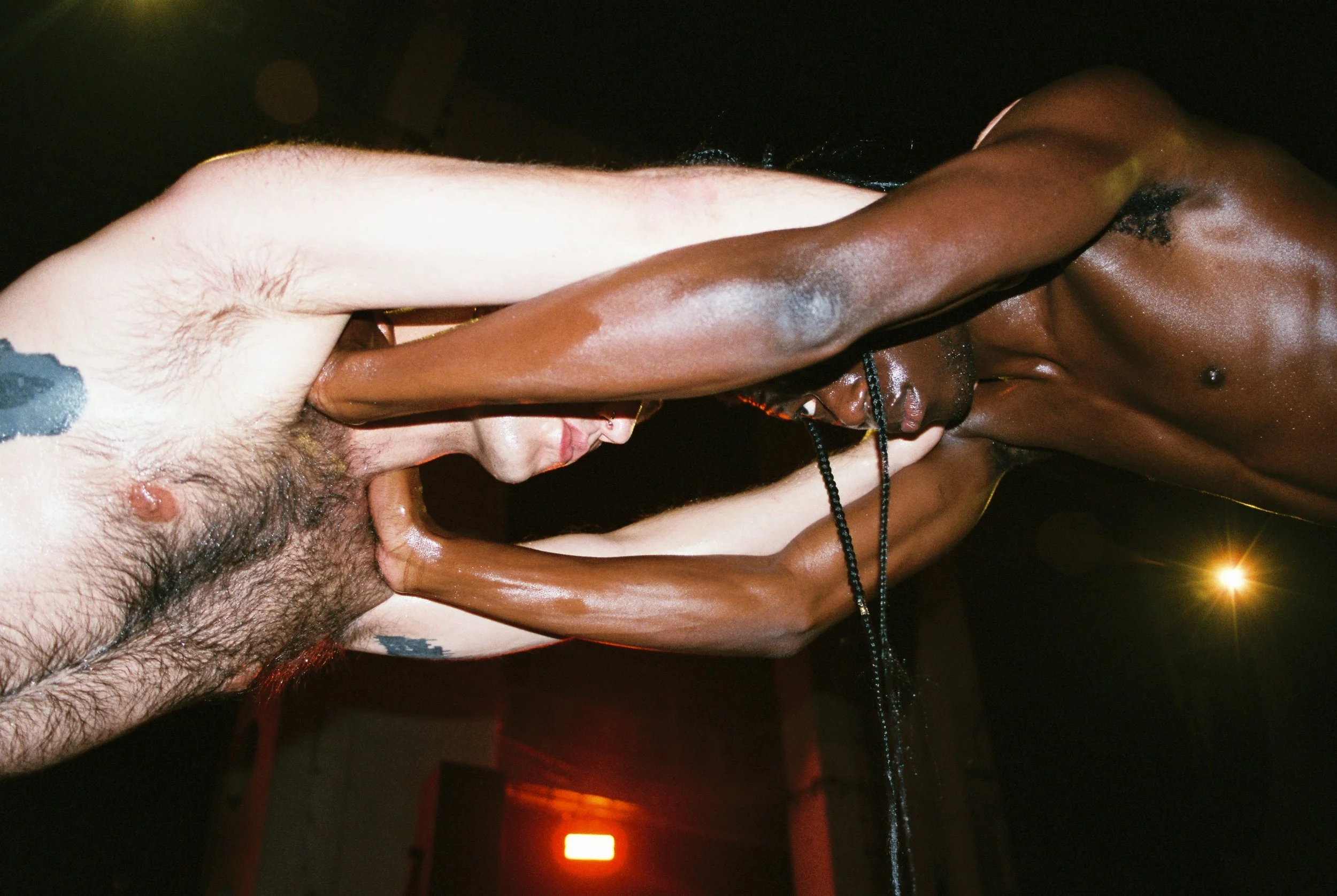
Royce NG, Kishi the Vampire. Performance.
Javier Blanco, OBLIVION. Performance.
caner teker, Kirkpinar. Performance.